Discover
We look for Korean materials, techniques, workshops, artisans, and objects that deserve renewed attention — including those that remain overlooked or under-recorded.
Korea has materials, techniques, and artisans carried forward over generations. Looking at Korean traditional craft today, we came to a simple conclusion: exceptional skill and beautiful objects alone are not enough to ensure that their value reaches the next generation. So we began asking why.
Korean Craft, Reimagined for Today
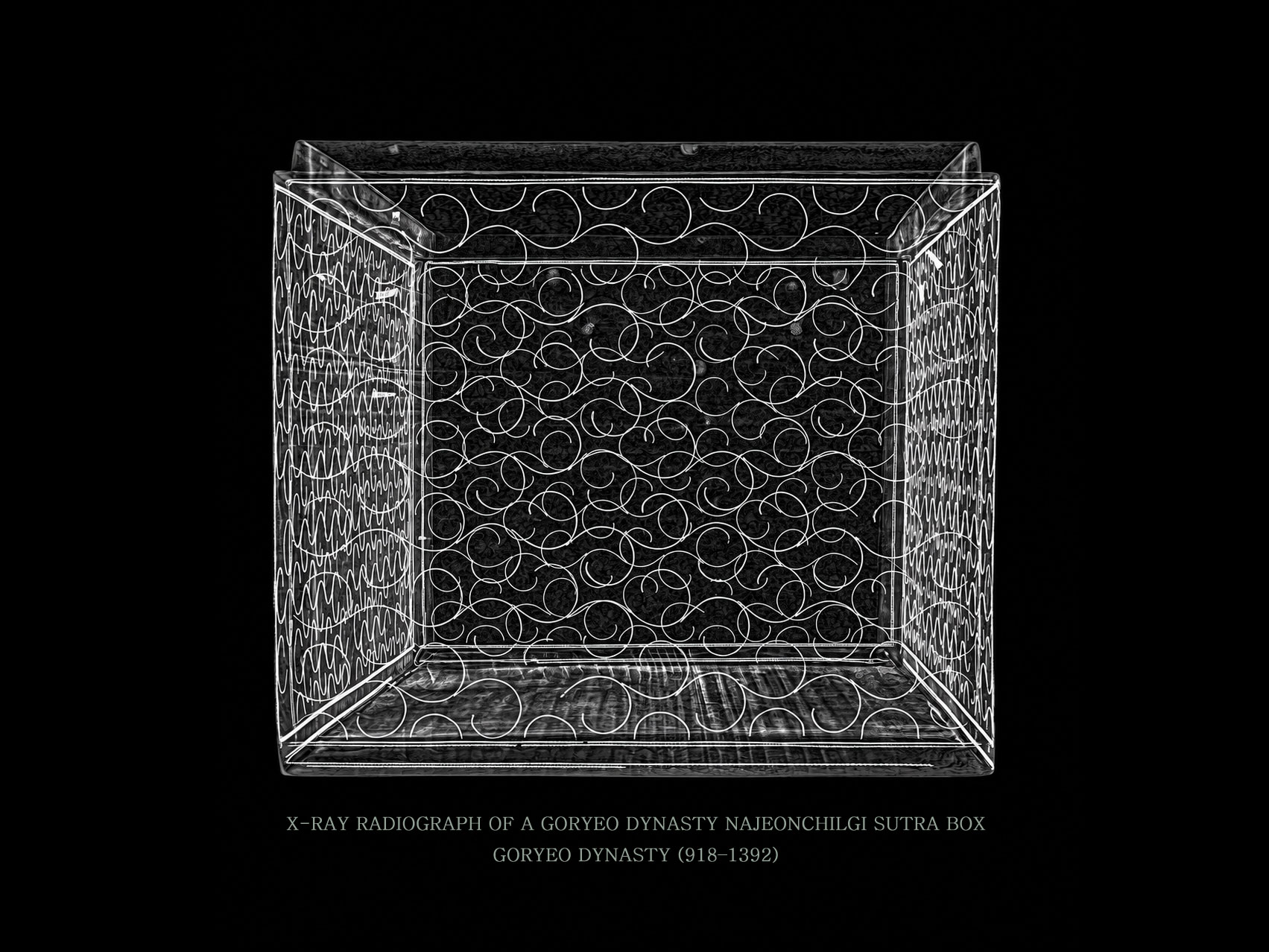
The value already exists. What is often missing is the structure that allows it to be recorded, understood, and carried forward.
Korean craft still holds extraordinary materials, techniques, and accumulated knowledge. Artisans have kept those practices alive through years — often decades — of work.
Yet the systems around them have not always developed at the same pace. Information about who made an object, how it was made, what materials were used, and why it matters is not always recorded or preserved. Strong work can remain confined to an individual workshop, disconnected from design, branding, product development, and distribution.
What stood out to us most was this: the technique may survive, while the structure that records its value and carries it to a new generation may not. We came to see this less as a failure of the artisan and more as a gap in the system around the artisan.
The artisan has protected the craft. KNNN began by asking what could be built around it.
KNNN believes the artisan should not be expected to do everything. Mastering material and technique is already a profession in itself. Research, documentation, product development, design, branding, communication, and distribution require different skills.
This is where we believe KNNN can contribute. We do not seek to replace the maker. We work to create the conditions in which the maker's knowledge can be recorded, understood, and connected to new products and new people.
Preservation can take more than one form. A tradition can live through records, but also through use, ownership, gifting, commissioning, and new applications. When craft remains part of people's lives, it gains another path to continue.
We also see this as a challenge that may extend beyond Korea. Many craft traditions around the world face a similar question: how can inherited knowledge remain visible and meaningful as generations, workshops, and ways of life change?
Four actions define how KNNN approaches Korean traditional craft.
We look for Korean materials, techniques, workshops, artisans, and objects that deserve renewed attention — including those that remain overlooked or under-recorded.
We document makers, materials, processes, and context so that the knowledge surrounding an object can remain attached to it.
We develop contemporary forms and uses while respecting the character of the material, the logic of the technique, and the identity of the craft.
We work with artisans, workshops, and specialists to turn research and design into new objects, limited collections, and custom projects.
Continuity becomes stronger when different expertise can remain distinct and work together.
The artisan carries the physical knowledge of making — how a material behaves, how a process changes through experience, and how judgment develops through repeated practice. This is knowledge that cannot simply be replaced by design or documentation.
KNNN works around that knowledge: researching context, organizing records, developing products and uses, shaping identity, and connecting each project with the people and markets it needs.
The goal is not to turn artisans into designers, or designers into artisans. It is to let different strengths meet without erasing one another.
KNNN began with a simple belief: Korean traditional craft should hold value not only as something to use, but as something worth collecting, preserving, and passing on. We hope to see Korean craft evolve into objects and brands whose value can endure over time — shaped by craftsmanship, materials, provenance, thoughtful design, and the stories they carry. That requires more than making beautiful objects. It means preserving the identity behind each piece and creating reasons for it to remain meaningful years from now. KNNN is our attempt to take a small first step toward that change.
For us, an archive is not only a place for the past. It is a living record that connects artisans and workshops, materials and techniques, historic works, objects being made today, and new work yet to come.
We want a person encountering an object to be able to ask: who made it, from what, by what process, and why does it matter? We want the knowledge surrounding an object to remain even when a workshop closes or a generation changes.
The products KNNN develops are part of that record. Each project is an opportunity to discover a maker or technique, document what we learn, and create another point of contact between Korean craft and a new audience.
One material, one technique, one maker, one object at a time. We hope that, one day, KNNN can become one of the places where a search for Korean craft begins.
KNNN — Korean Craft, Reimagined for Today